
12 of the most beautiful large houseplants
00:00
00:00
Large houseplants are eye-catchers. In individual position, they are ideal for minimalist interiors. Then they form a suitable counterbalance to the few pieces of furniture. In combination with other houseplants, they spread tropical flair and jungle feeling. The following twelve houseplants are all quite robust and easy to care for. Better to water too little than too much! With a suitable fertiliser, you can give your green roommate the necessary nutrients from spring to autumn.
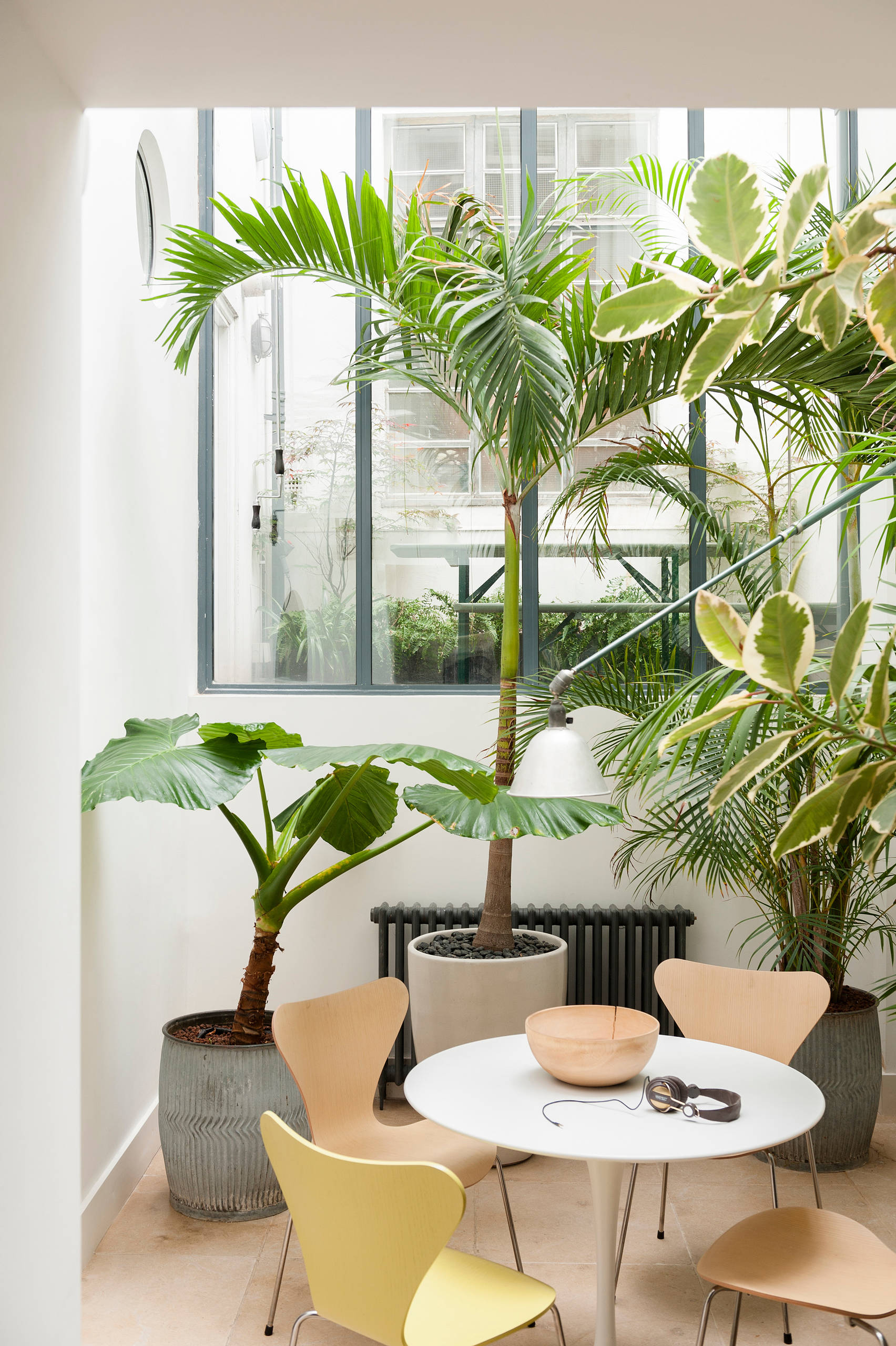
1. Palm trees as houseplants
Palm trees are among the most impressive houseplants. The Arecaceae family has many specimens that are suitable for indoor use. With their feathery leaves, palm trees can easily loosen up the austerity of modern interiors.
Palm trees are among the most impressive houseplants. The Arecaceae family has many specimens that are suitable for indoor use. With their feathery leaves, palm trees can easily loosen up the austerity of modern interiors.
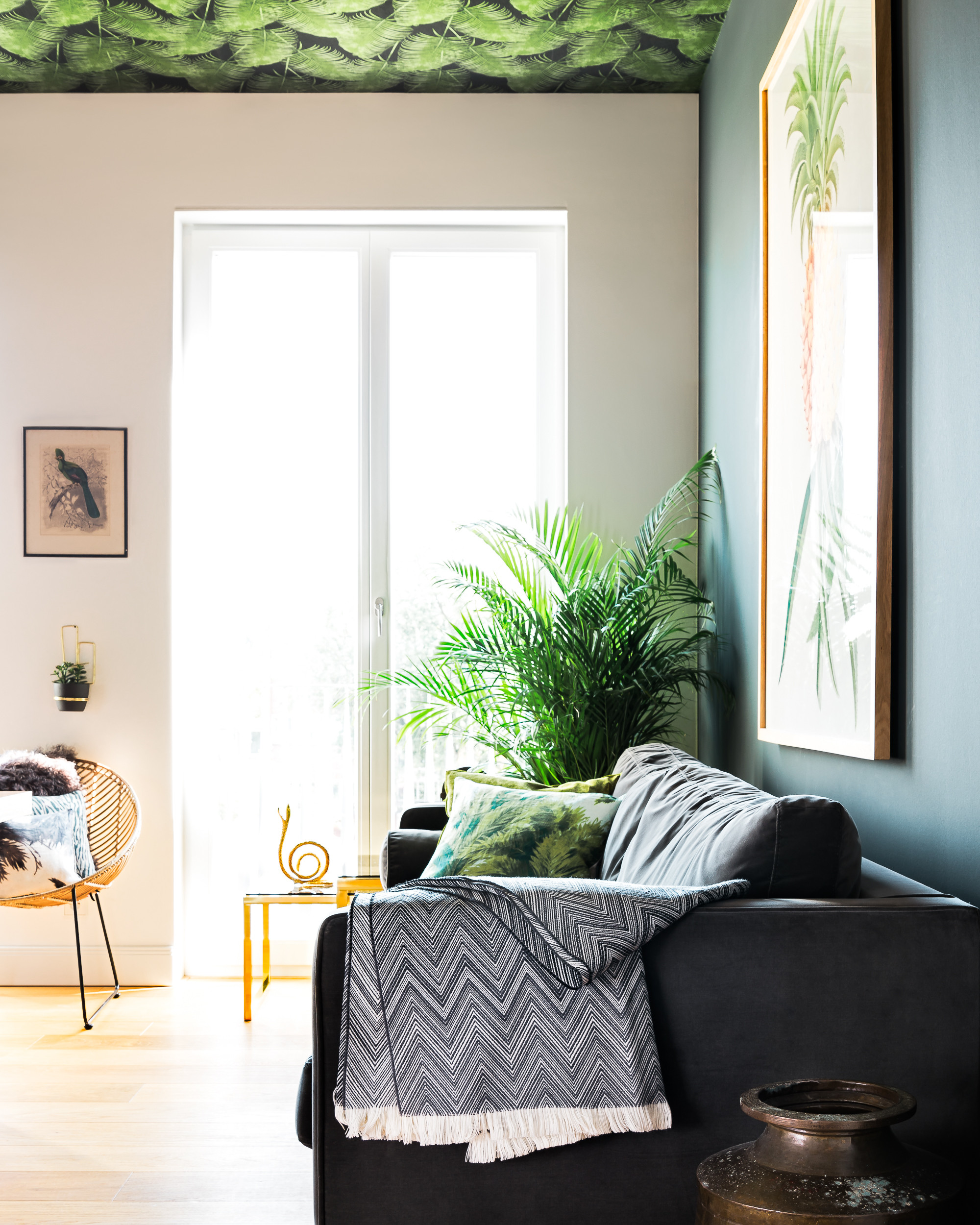
The best known are the Kentia palm Howea from Australia and the golden fruit palm Chrysalidocarpus lutescens from Madagascar. Both want a light, but not sunny location that is uniformly warm all year round. Howeia can also be placed in partial shade. Both are often sprayed with water.
Date palms also make respectable green inhabitants. However, most members of the Phoenix genus can grow very large. Only the dwarf date palm Phoenix roebelenii remains smaller. All species prefer a permeable substrate.
If you prefer palm trees with large, round leaves instead of long-pinnate ones, you will find your green roommate in the Livingston palm (Livistona rotundifolia).
Date palms also make respectable green inhabitants. However, most members of the Phoenix genus can grow very large. Only the dwarf date palm Phoenix roebelenii remains smaller. All species prefer a permeable substrate.
If you prefer palm trees with large, round leaves instead of long-pinnate ones, you will find your green roommate in the Livingston palm (Livistona rotundifolia).

2. Birch fig as an easy-care houseplant
The popular birch fig (Ficus benjamina) grows tree-shaped and at least room-high. They are available in green-leafed as well as white and yellow variegated forms.
Ficus benjamina does not like waterlogging. A bright location that is not in the blazing midday sun is best.
The popular birch fig (Ficus benjamina) grows tree-shaped and at least room-high. They are available in green-leafed as well as white and yellow variegated forms.
Ficus benjamina does not like waterlogging. A bright location that is not in the blazing midday sun is best.
3. Rubber tree
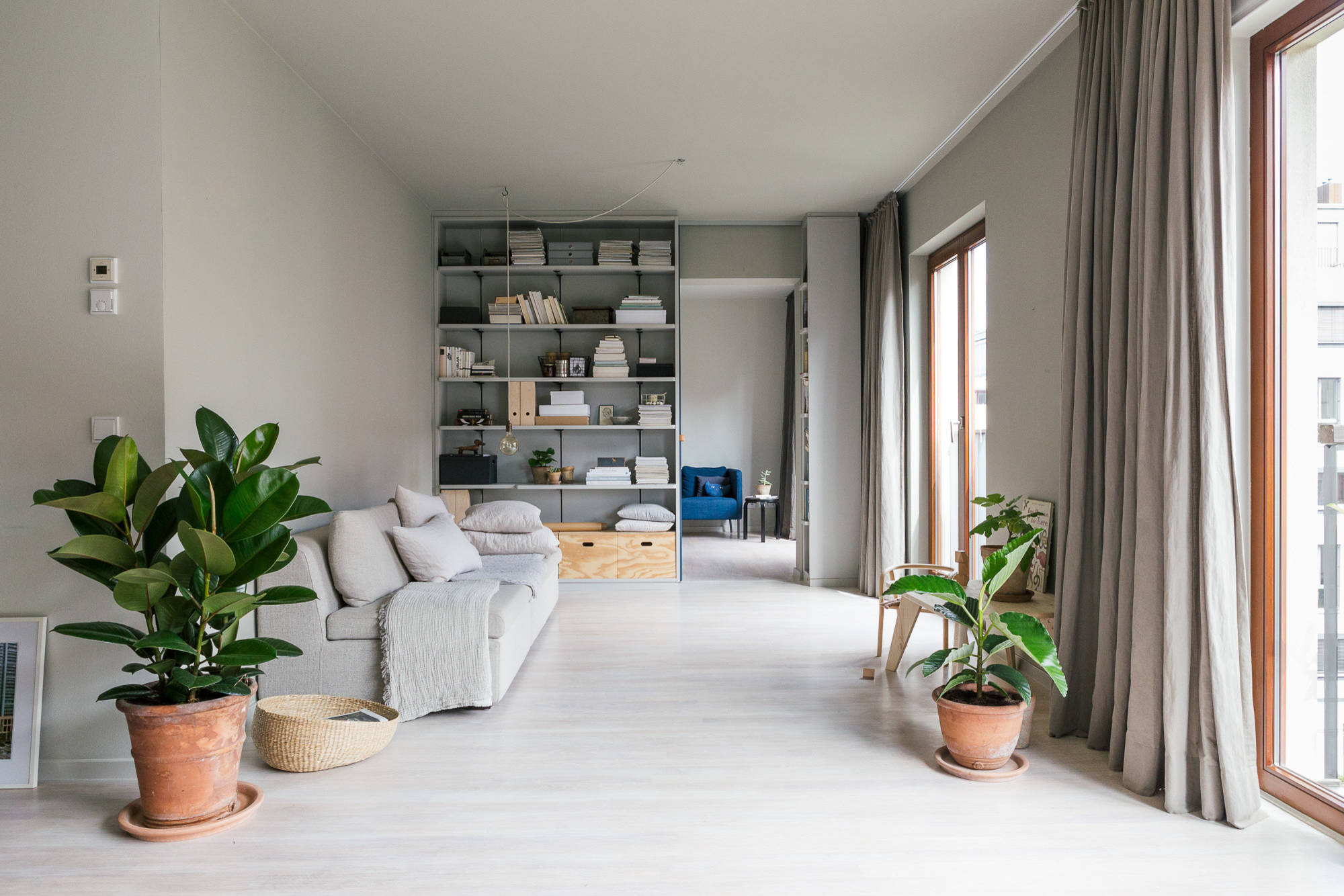
The rubber tree (Ficus elastica, front left) has firm, leathery leaves. The plant from the mulberry family is originally native to Asian countries such as India and Indonesia. In its natural habitat, the rubber tree can grow 20 to 40 metres high. As an ornamental plant indoors, however, it remains much smaller.
The rubber tree (Ficus elastica, front left) has firm, leathery leaves. The plant from the mulberry family is originally native to Asian countries such as India and Indonesia. In its natural habitat, the rubber tree can grow 20 to 40 metres high. As an ornamental plant indoors, however, it remains much smaller.
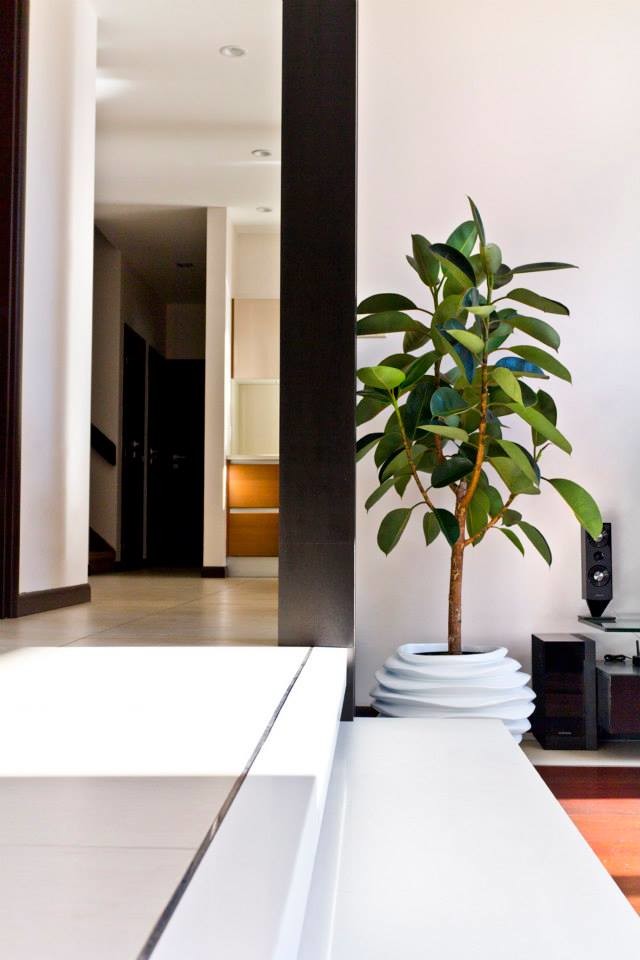
The white rubber juice that escapes during injuries can be used to make latex. Commercially, however, the rubber tree is used for this purpose.
The rubber tree prefers a bright location and moist soil without waterlogging, but is generally very tolerant.
The rubber tree prefers a bright location and moist soil without waterlogging, but is generally very tolerant.
4. Delicious window leaf
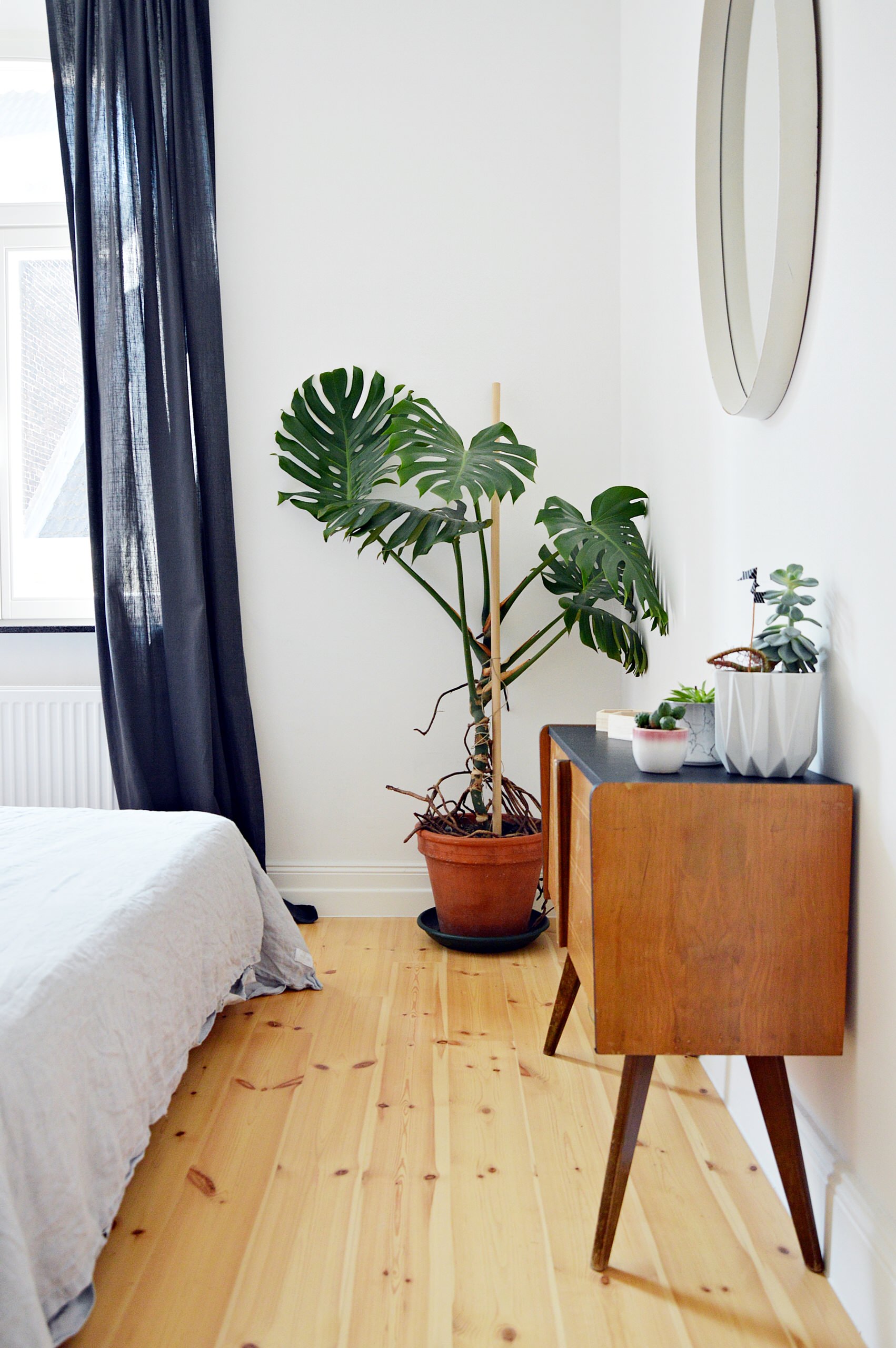
The window leaf (Monstera deliciosa) scores particularly well with its decorative leaves. Originally from the Caribbean, Central and South America, the ornamental plant is now widespread.
With good care, it can form shoots of up to five metres a year and needs a scaffold or trunk on which it can grow. The variety 'Borsigiana' remains smaller. There are also white shapes. The fruits are edible.
The window leaf (Monstera deliciosa) scores particularly well with its decorative leaves. Originally from the Caribbean, Central and South America, the ornamental plant is now widespread.
With good care, it can form shoots of up to five metres a year and needs a scaffold or trunk on which it can grow. The variety 'Borsigiana' remains smaller. There are also white shapes. The fruits are edible.
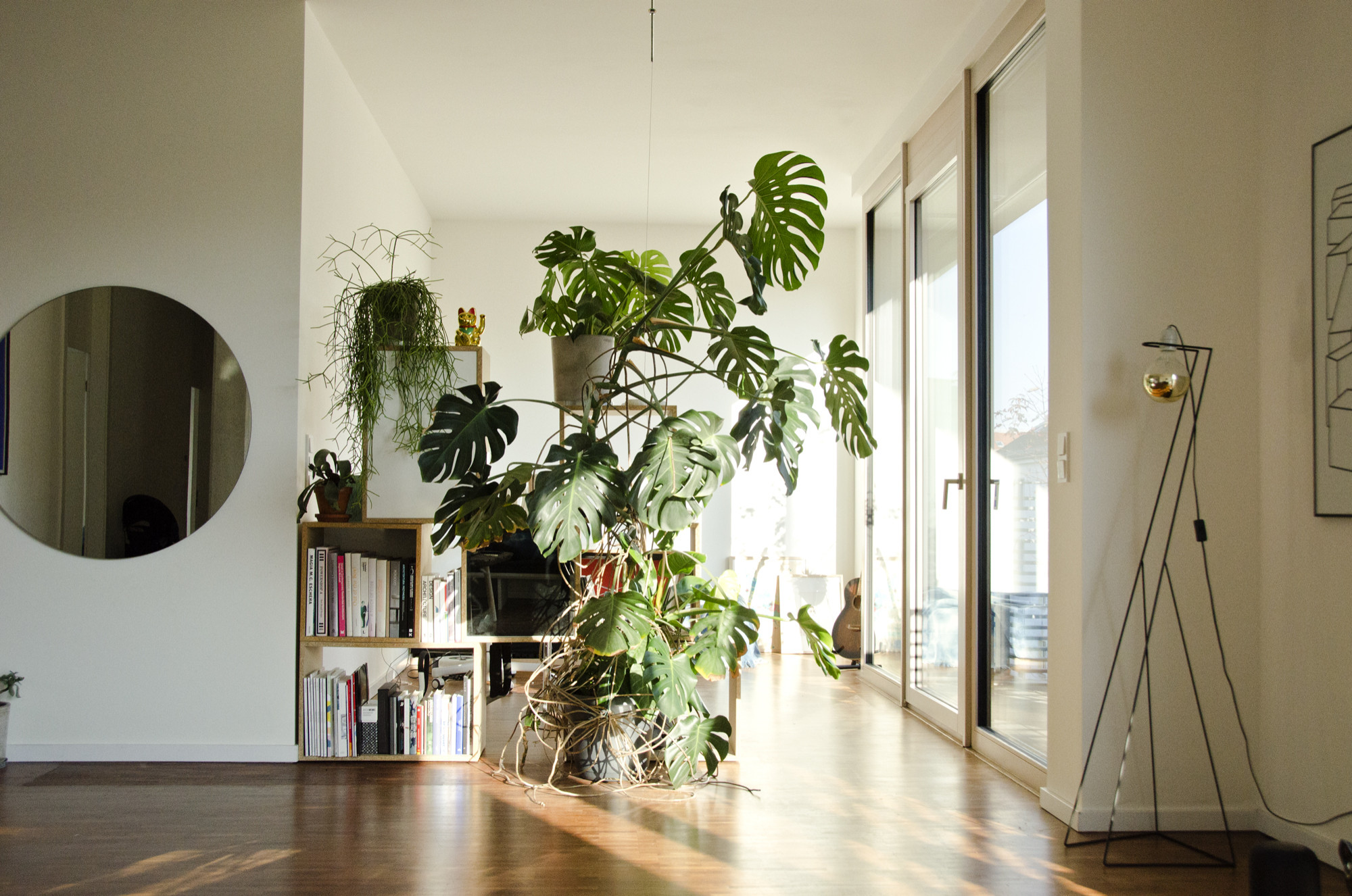
A bright location is best for Monstera deliciosa. But the plant also grows in much shadier places. The window leaf loves high humidity (spray with water more often), ground warmth and year-round temperatures between 18 and 22 degrees Celsius. So the perfect houseplant with beautiful growth.
Read also: 10 houseplants for shade
Read also: 10 houseplants for shade
5. Large leaves with bananas
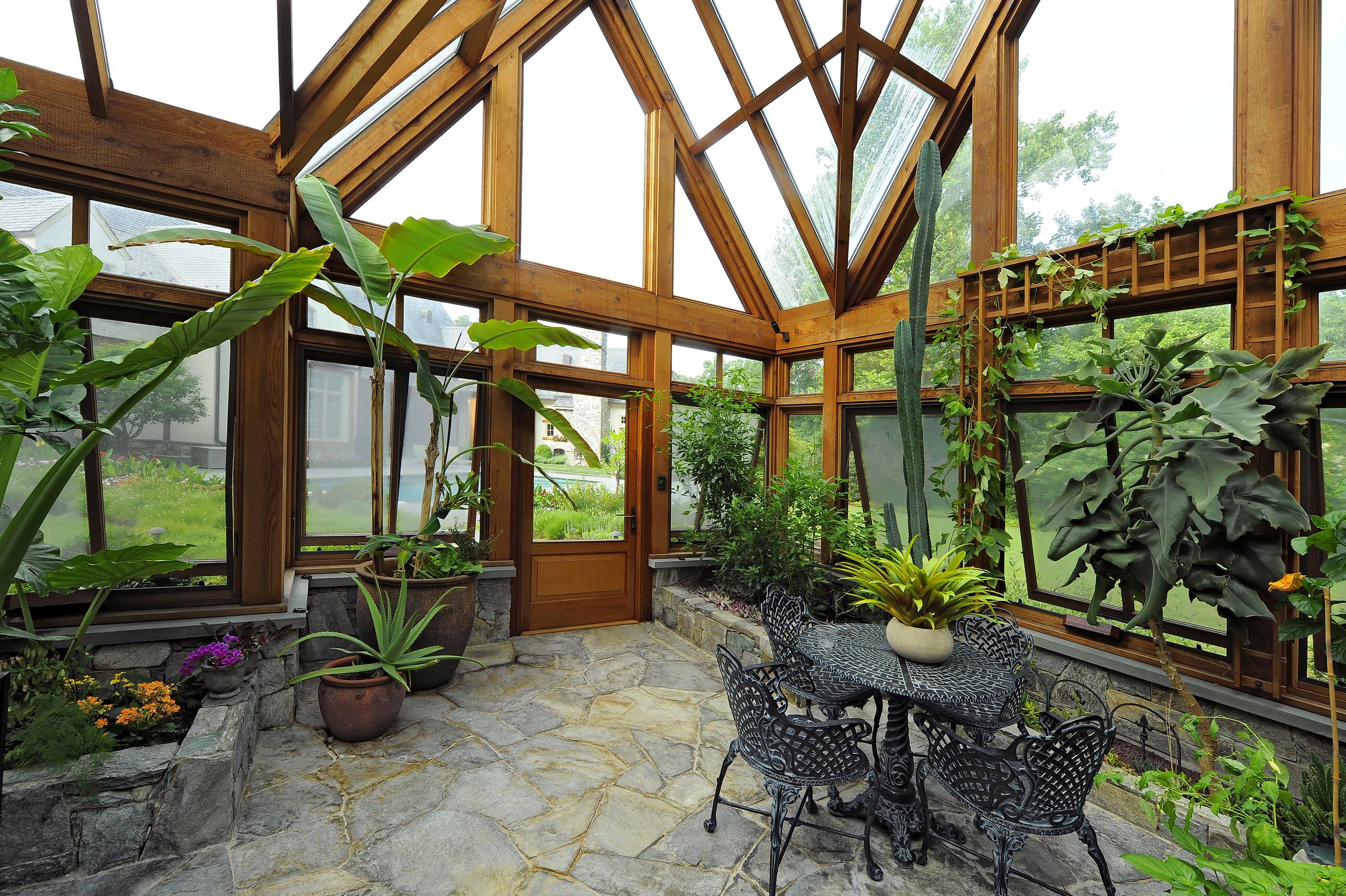
Banana trees are an exotic eye-catcher with a high light and space requirement. The green-leaved Japanese fibre banana Musa basjoo or the red Abyssinian banana Ensete ventricosum 'Maurelii' are usually cultivated.
In summer, this heat-loving plant can be easily transported into the garden. The only thing she doesn't like is draughts. And it is also sensitive to waterlogging.
Banana trees are an exotic eye-catcher with a high light and space requirement. The green-leaved Japanese fibre banana Musa basjoo or the red Abyssinian banana Ensete ventricosum 'Maurelii' are usually cultivated.
In summer, this heat-loving plant can be easily transported into the garden. The only thing she doesn't like is draughts. And it is also sensitive to waterlogging.
6. Tree friend as a houseplant Philodendrons
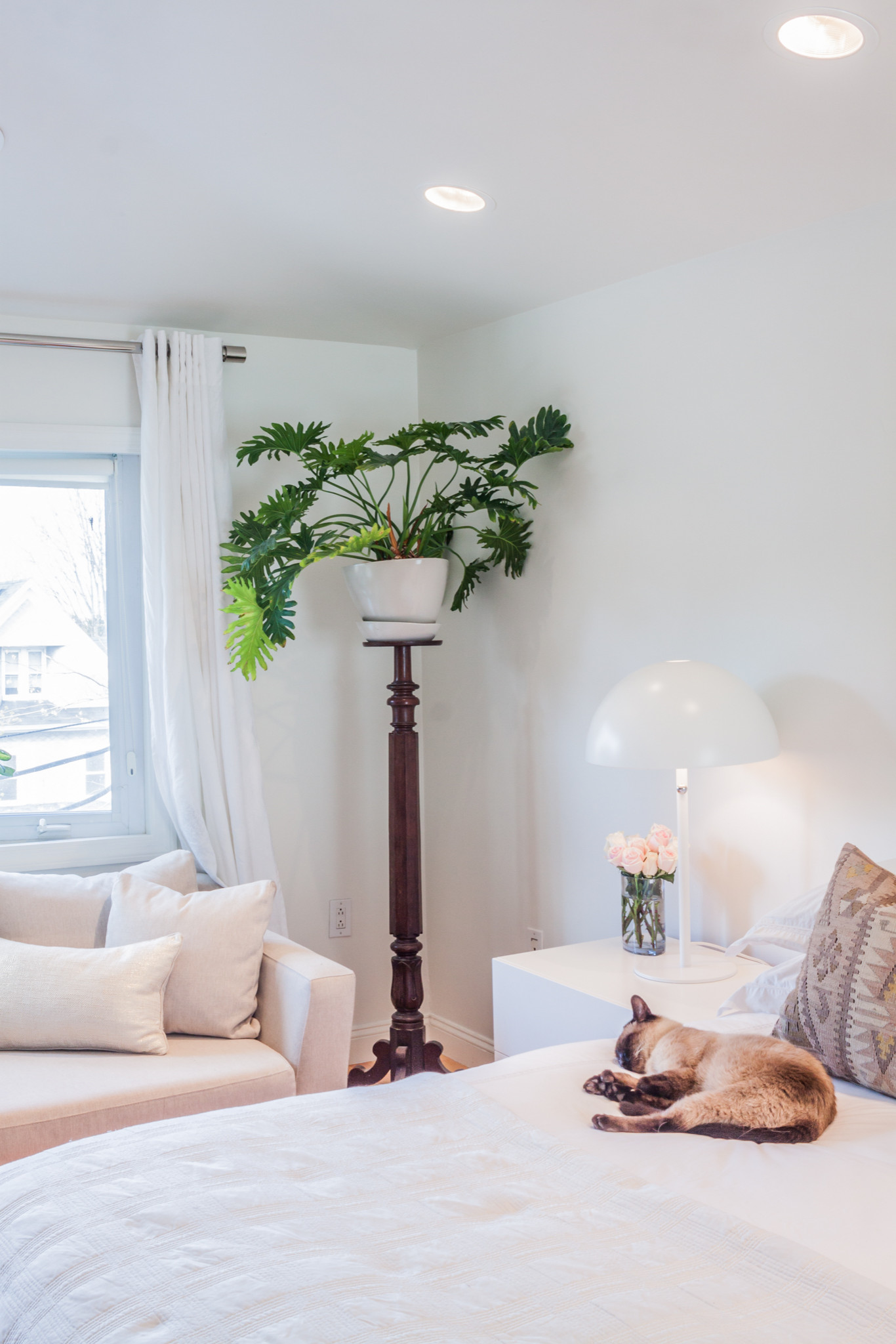
belong to the arum family. Numerous species have found use as houseplants. One of the most impressive is the species Philodendron selloum (also: bipinnatifidum), which originates from Brazil.
With its magnificent leaves, this tropical plant grows in width rather than in height, needs a bright location, high humidity and does not tolerate cold draughts.
belong to the arum family. Numerous species have found use as houseplants. One of the most impressive is the species Philodendron selloum (also: bipinnatifidum), which originates from Brazil.
With its magnificent leaves, this tropical plant grows in width rather than in height, needs a bright location, high humidity and does not tolerate cold draughts.
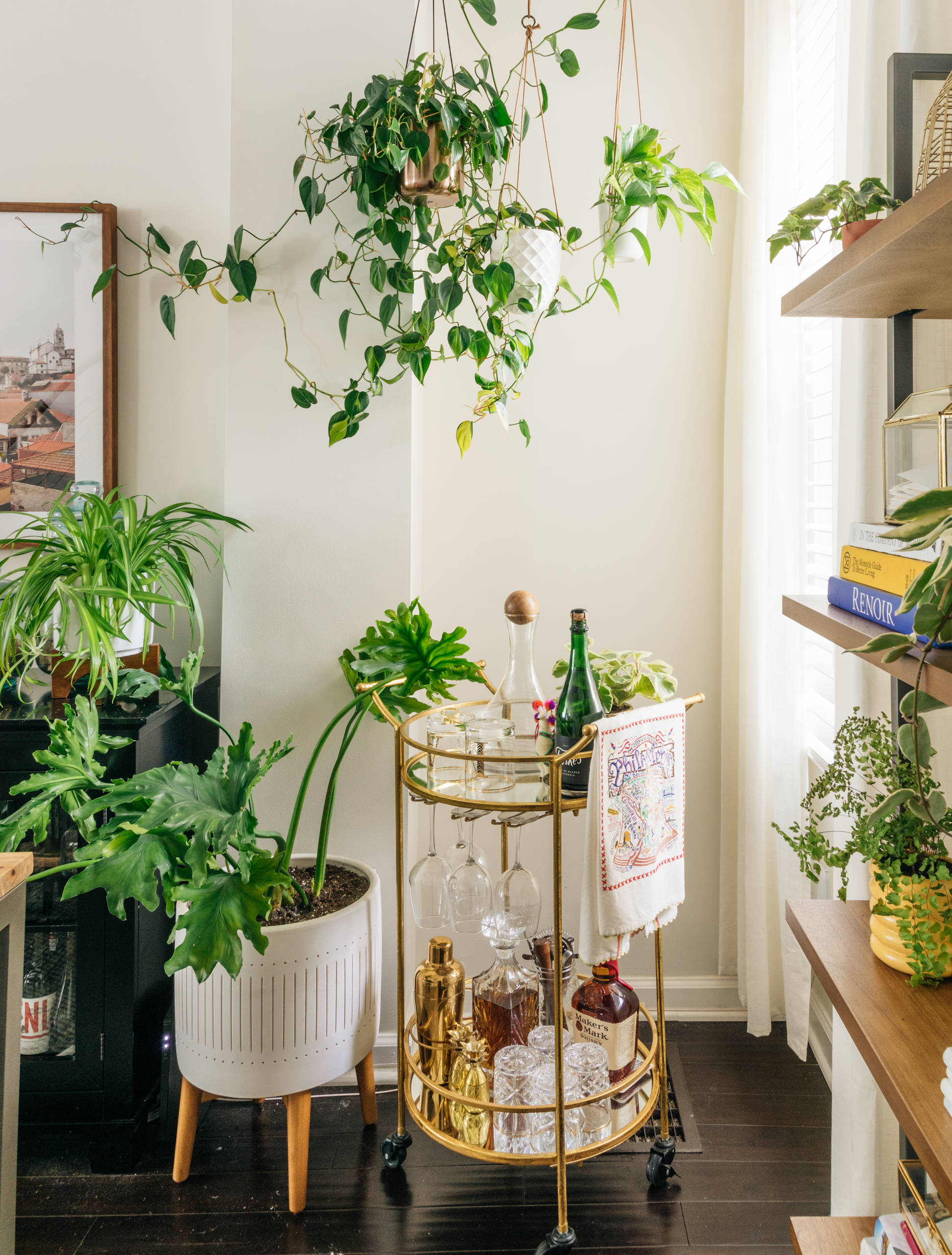
Monstera (see 4.) and Philodendron (in the white pot) can easily be confused under certain circumstances. A key distinguishing feature: The feathery leaves of a Philodendron have only incisions, and in the Monstera they also have holes. If you bend a petiole and sniff it, it smells like rhubarb. But don't bite into it. Poisonous!
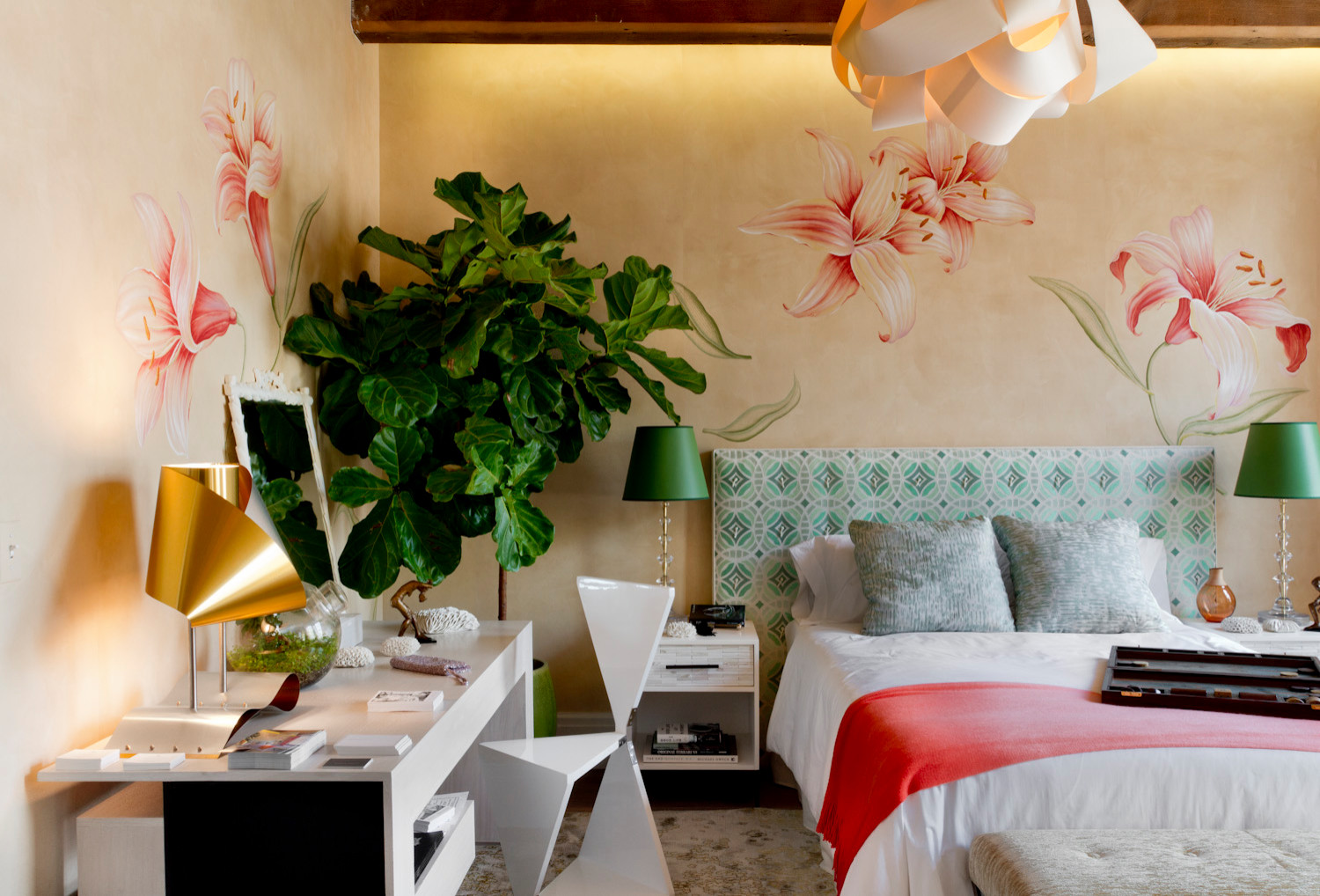
7. Fiddle fig as a houseplant The fiddle fig (Ficus lyrata)
can also grow to a stately size. Especially in the USA, this fig is widespread as a houseplant - thanks to its stately growth and uncomplicated handling.
The fiddle fig owes its name to the shape of its leaves. It prefers a sunny location and also grows well in hydroponics. Even in winter, the temperature must not fall below 15 degrees Celsius. You can read more about the easy-care houseplant with its large leaves here.
can also grow to a stately size. Especially in the USA, this fig is widespread as a houseplant - thanks to its stately growth and uncomplicated handling.
The fiddle fig owes its name to the shape of its leaves. It prefers a sunny location and also grows well in hydroponics. Even in winter, the temperature must not fall below 15 degrees Celsius. You can read more about the easy-care houseplant with its large leaves here.
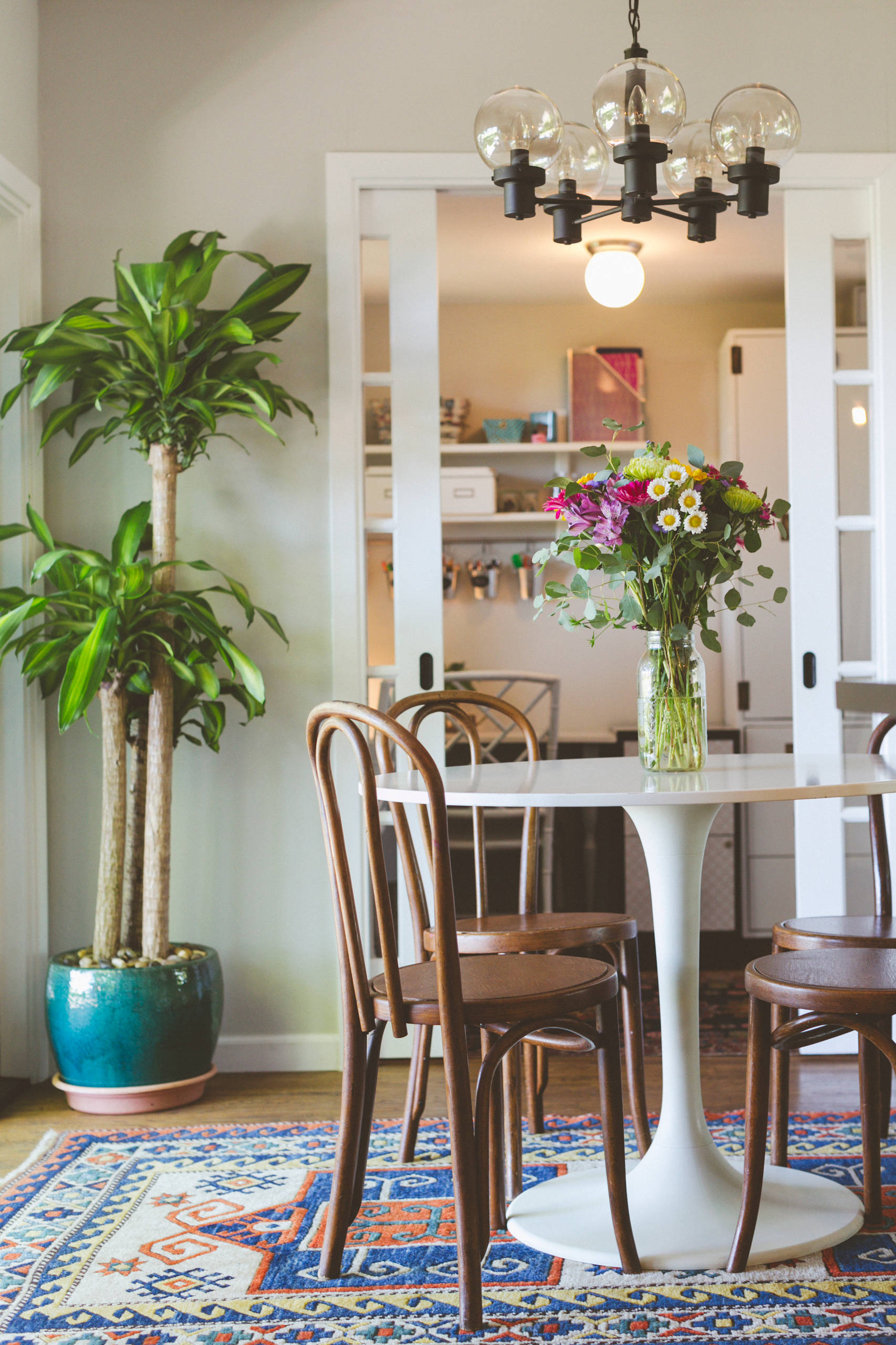
8. Palm lily The palm lily
(Yucca) belongs to the agave family and is native to Central or South America. Yucca likes a substrate with a high pH value, so also calcareous water. It can also tolerate locations with low humidity, making it ideal for overwintering in the living room at home. An easy-care houseplant for beginners!
If it does get too big, yucca can be easily shortened and sprouts reliably again. A bright location is ideal. Good to know: The species Yucca filamentosa is hardy and can even adorn permanently sunny garden beds.
(Yucca) belongs to the agave family and is native to Central or South America. Yucca likes a substrate with a high pH value, so also calcareous water. It can also tolerate locations with low humidity, making it ideal for overwintering in the living room at home. An easy-care houseplant for beginners!
If it does get too big, yucca can be easily shortened and sprouts reliably again. A bright location is ideal. Good to know: The species Yucca filamentosa is hardy and can even adorn permanently sunny garden beds.
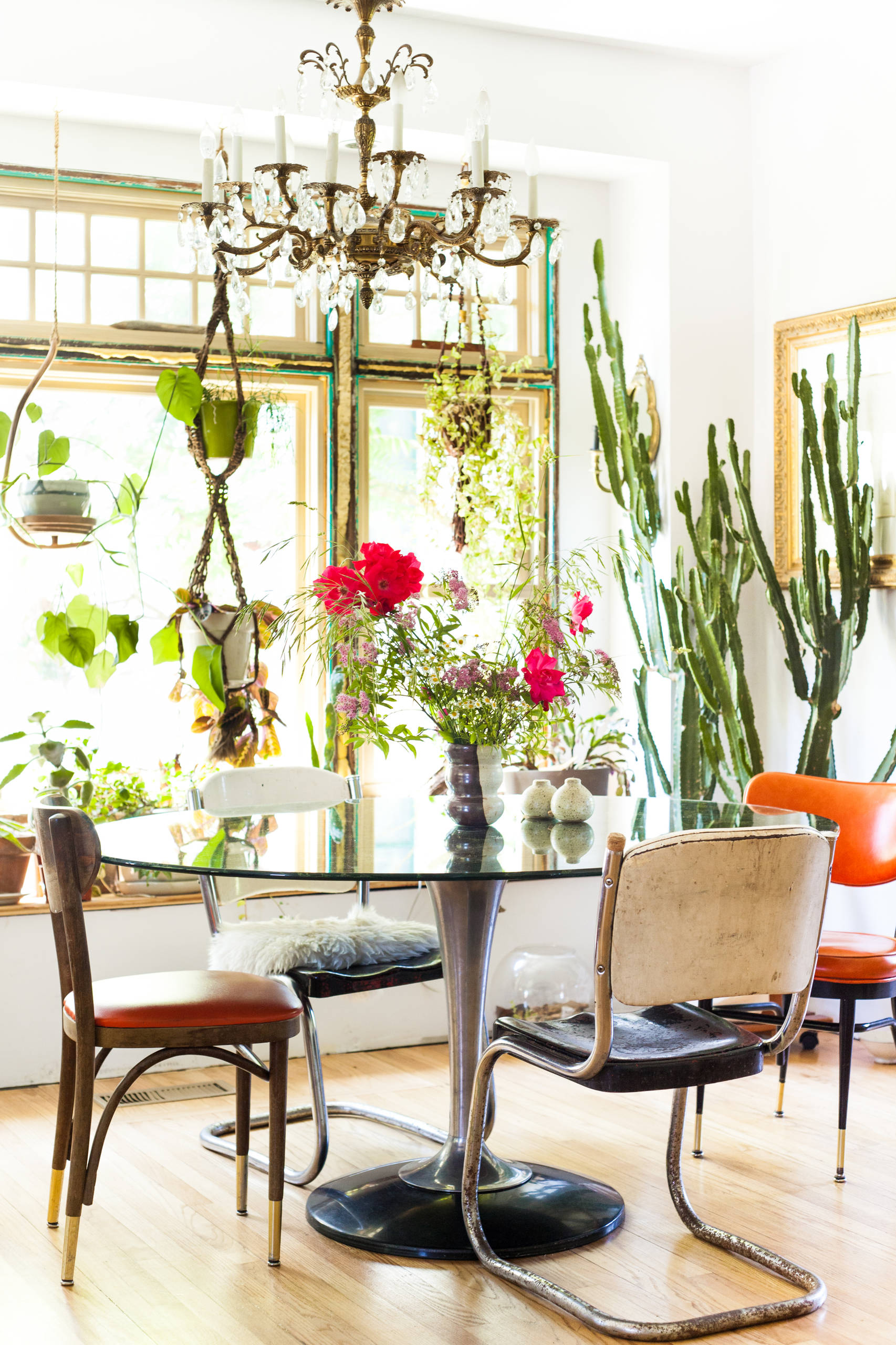
9. Cactus-like spurge as a houseplant Succulents can
also grow as tall as a man, for example the bizarrely branched Euphorbia ingens or Euphorbia trigona, which belong to the spurge family and come from South America.
Both are very straightforward. Better to water too little than too much. The location is bright, the substrate is permeable and the humidity can be low – unlike many tropical plants.
If you cut the plant, the skin-irritating, poisonous spurge comes out.
also grow as tall as a man, for example the bizarrely branched Euphorbia ingens or Euphorbia trigona, which belong to the spurge family and come from South America.
Both are very straightforward. Better to water too little than too much. The location is bright, the substrate is permeable and the humidity can be low – unlike many tropical plants.
If you cut the plant, the skin-irritating, poisonous spurge comes out.

10. Indoor lime tree
In this London garden there are not only bananas and bamboo, but also the Cape lime tree Sparrmannia africana (in the picture front left). In our latitudes, however, it is also suitable as a solitaire for house and apartment.
Like all lime trees, this lime tree belongs to the mallow family and comes from South Africa. It can reach a height of up to three meters indoors and is best placed in a bright location. The fine leaves are slightly hairy. From January to April, the lime tree can form white flower umbels. In winter, the plant is best kept cool at temperatures between 8 and 15 degrees Celsius. You can easily propagate them via head cuttings.
In this London garden there are not only bananas and bamboo, but also the Cape lime tree Sparrmannia africana (in the picture front left). In our latitudes, however, it is also suitable as a solitaire for house and apartment.
Like all lime trees, this lime tree belongs to the mallow family and comes from South Africa. It can reach a height of up to three meters indoors and is best placed in a bright location. The fine leaves are slightly hairy. From January to April, the lime tree can form white flower umbels. In winter, the plant is best kept cool at temperatures between 8 and 15 degrees Celsius. You can easily propagate them via head cuttings.
11. Dragon tree
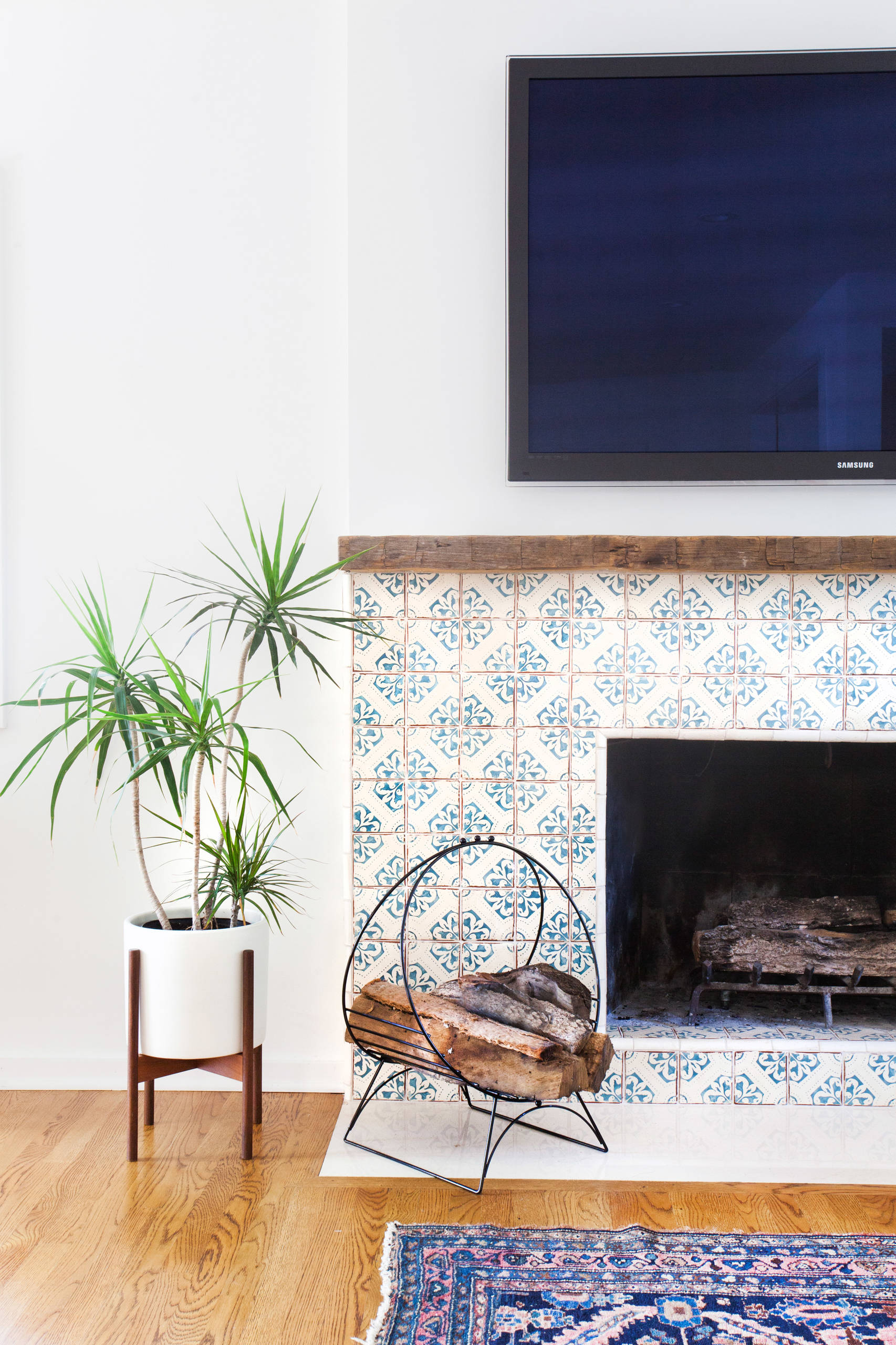
Even though some varieties of the dragon tree are very similar to the yucca, they are not related to them, not even to the palm trees. There are different varieties that are suitable as houseplants. For example, the well-known variety Dracaena marginata 'Tricolor' has multi-coloured leaves. Dracaena fragrans exudes a pleasant fragrance.
Dracaena is best placed in a bright place and warm all year round. Keep the soil moist during the growing season. In winter, water significantly less and do not fertilize (this applies to all potted plants presented here). High humidity and low pH are also crucial for healthy growth.
Even though some varieties of the dragon tree are very similar to the yucca, they are not related to them, not even to the palm trees. There are different varieties that are suitable as houseplants. For example, the well-known variety Dracaena marginata 'Tricolor' has multi-coloured leaves. Dracaena fragrans exudes a pleasant fragrance.
Dracaena is best placed in a bright place and warm all year round. Keep the soil moist during the growing season. In winter, water significantly less and do not fertilize (this applies to all potted plants presented here). High humidity and low pH are also crucial for healthy growth.
12. "Traveler's Tree"With its lush leaves,
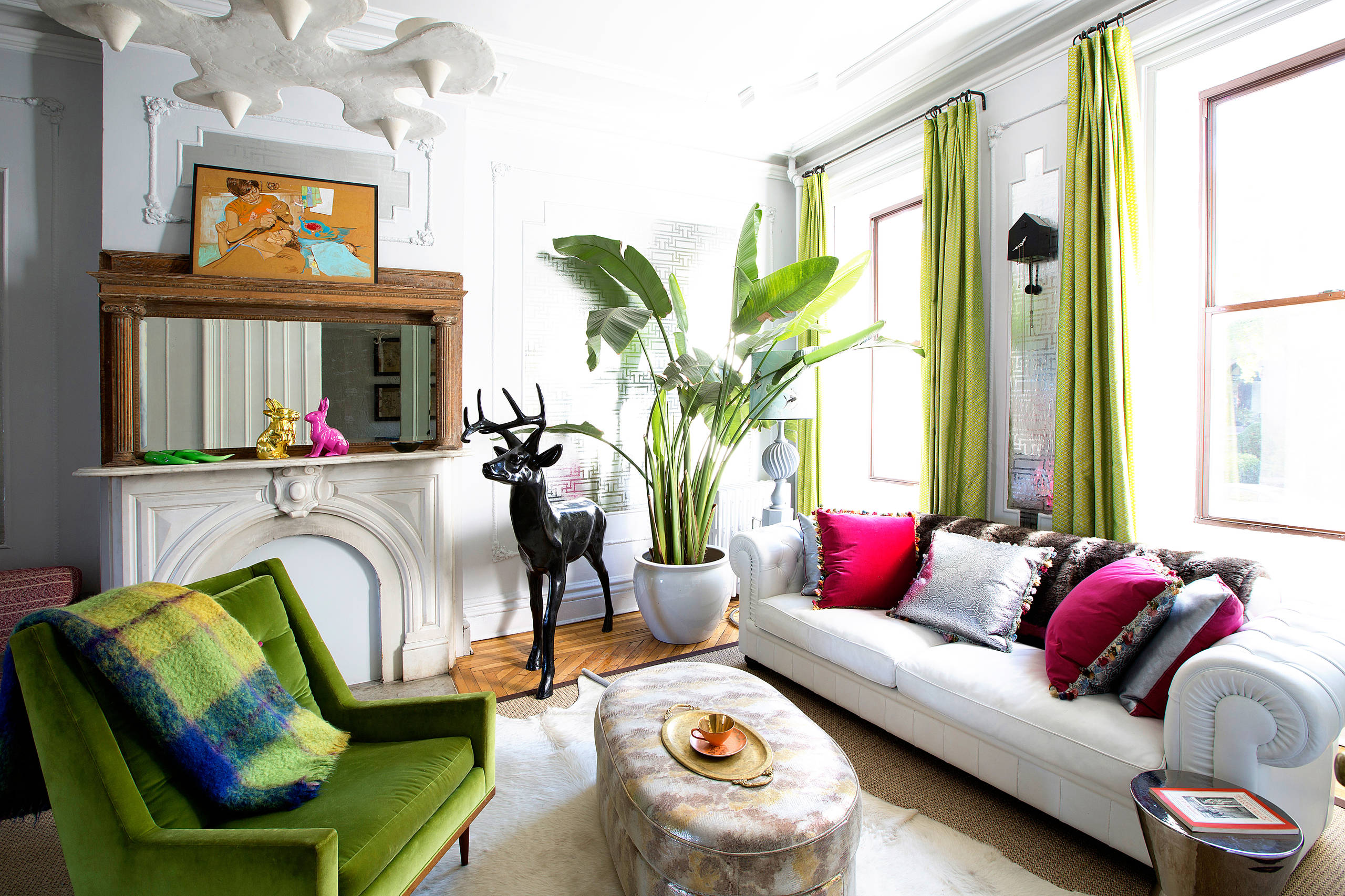
Ravenala madagascariensis brings a lot of greenery into a room with just one specimen. The plant belongs to the Strelitzia family and is a real eye-catcher in conservatories and high rooms.
The plant, which originates from Madagascar, was given the nickname "Tree of the Traveler" because the water in the leaf axes is said to have saved the lives of thirsty travelers.
Ravenala madagascariensis prefers a sunny and warm location. If possible: In winter, temperatures around 15 degrees Celsius would be ideal.However, the Strelitzia does not like waterlogging. Watering tip: Before the next abundant watering, wait until the soil has dried. To do this, spray vigorously with water more often.
Do you have another tip for large houseplants? Feel free to reveal it in the comments!
Ravenala madagascariensis brings a lot of greenery into a room with just one specimen. The plant belongs to the Strelitzia family and is a real eye-catcher in conservatories and high rooms.
The plant, which originates from Madagascar, was given the nickname "Tree of the Traveler" because the water in the leaf axes is said to have saved the lives of thirsty travelers.
Ravenala madagascariensis prefers a sunny and warm location. If possible: In winter, temperatures around 15 degrees Celsius would be ideal.However, the Strelitzia does not like waterlogging. Watering tip: Before the next abundant watering, wait until the soil has dried. To do this, spray vigorously with water more often.
Do you have another tip for large houseplants? Feel free to reveal it in the comments!

Posting Komentar